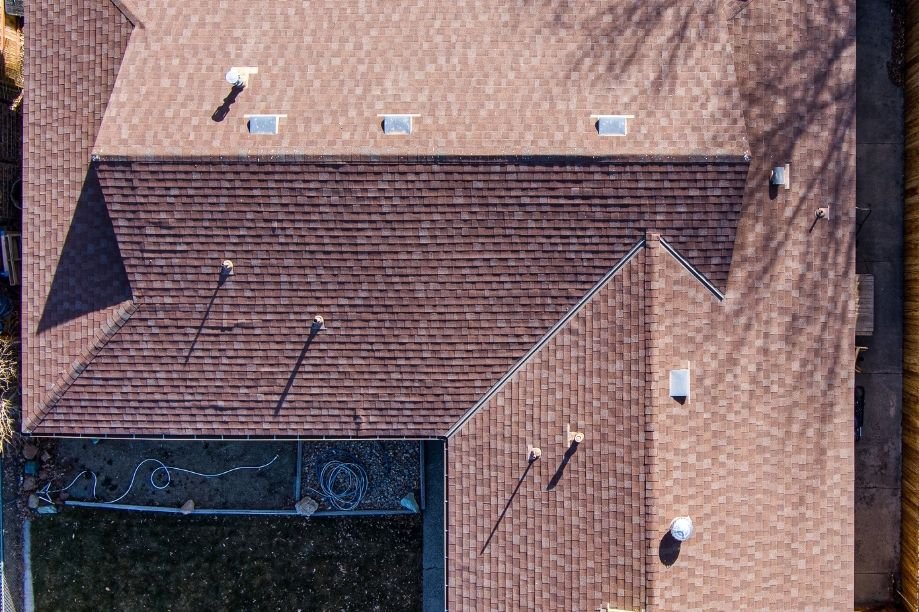
After a brutal New York winter, your roof needs a full post-winter assessment — before small damage becomes a costly emergency. Here’s exactly what to check, why it matters, and when to call a professional.
Why Spring Is the #1 Time for a Roof Inspection in the Bronx
Here in the Bronx and across the greater New York area, winters are very hard on your roof. Snow loads, ice dams, and repeated freeze-thaw cycles put serious stress on shingles, flashing, gutters, and roof decking. However, this damage often stays hidden until warmer weather arrives and small leaks turn into big problems.
Roofing industry experts recommend inspecting your roof at least twice a year — in spring and fall — to stay ahead of extreme seasonal weather and catch damage early. In particular, spring gives you a critical window to assess what winter has done before summer storms and heavy rain arrive.
For Bronx homeowners, this step is especially important. New York’s freeze-thaw cycles are among the most damaging conditions any roof can face. Ice dams, for example, are ridges of ice that form along the edge of your roof when melting snow refreezes. They are one of the most common and costly cold-weather roofing problems in the Northeast. As a result, once water backs up behind an ice dam, it can seep under shingles and into your attic, insulation, walls, and ceilings — leading to mold, rot, and serious structural damage.
The Complete Spring Roof Inspection Checklist (12 Key Areas)
Use this residential spring roof inspection checklist to do a step-by-step post-winter assessment of your home. For safety, start from the ground using binoculars before climbing any ladder. If you are not comfortable at heights or your roof has a steep pitch, contact a professional roofing contractor right away.
1. Shingle Condition
Missing shingles – Look for bare patches on the roof surface. Missing shingles expose the roof deck directly to moisture and need prompt replacement.
Curling or cupped shingles – Shingles that curl upward at the edges or cup inward at the center are a sign of age or moisture damage. Because of this, they no longer lie flat and allow wind and rain to get underneath.
Cracked or broken shingles – Cold temperatures make asphalt shingles more brittle. Therefore, after a New York winter, inspect carefully for cracked, split, or broken shingles, which can let water into the roof deck.
Granule loss on asphalt shingles – Check your gutters for a buildup of grainy, sand-like material. This is shingle granule loss. It means your shingles are losing their protective coating. In fact, this is a key sign your asphalt shingle maintenance is overdue.
Blistering or shingle discoloration – Blisters on shingles point to trapped moisture or product defects. Additionally, dark streaks or discoloration can mean algae, mold, or moss growth that holds moisture and speeds up shingle wear.
2. Roof Flashing
Inspect all flashing around chimneys, vents, and skylights – Roof flashing is the metal strip that seals joints around chimneys, vents, and skylights. Furthermore, it is one of the most common sources of roof leaks. Check for rust, cracks, gaps, or loose sections. Damaged flashing gives water a direct path into your home, bypassing shingles entirely.
Check the drip edge – The drip edge runs along the roof edges and directs water away from the fascia into the gutters. Inspect it for damage, bending, or gaps.
Flashing resealing and caulking inspection – Check the sealant and caulking around all flashing points. Look for dried, cracked, or missing caulk. As a result, resealing these areas is a simple fix that can prevent major water damage – especially during spring showers.
3. Gutters & Downspouts
Gutter cleaning – Clear all leaves, twigs, debris, and shingle granules from gutters. Clogged gutters are one of the leading causes of roof leaks and water damage. For example, water that overflows can back up under the roofline or pool near your home’s foundation.
Downspout flushing – Flush downspouts with a garden hose to confirm water flows freely. Otherwise, blocked downspouts prevent proper roof drainage and can cause water to back up onto the roof surface.
Check for gutter damage – Look for rust, sagging sections, cracks, holes, or areas where gutters are pulling away from the fascia board. In particular, ice dam weight during winter can badly damage gutters and cause them to loosen or detach.
4. Fascia Board & Soffit
Inspect for rot, cracks, or damage – Check the fascia board the board that runs along the lower edge of the roofline and the soffit the underside of the roof overhang for signs of rot, cracks, peeling paint, or pest activity. Rot in these areas often means long-term moisture has been getting in from the roof or gutters above.
5. Roof Deck & Structural Condition
Check for soft spots or sagging – From the ground, look for any areas where the roofline appears to sag or dip. Soft spots on the roof deck are a serious warning sign of water damage, rot, or structural weakness. Therefore, they require immediate professional attention.
Check for uneven roof planes – Your roofline should be straight and even. However, any visible bowing, dipping, or unevenness suggests structural problems beneath the surface that a qualified roofing contractor should assess right away.
6. Chimney & Skylights
Chimney inspection – Look for cracks in the brickwork, damaged mortar joints, a missing or cracked chimney cap, and wear around the flashing where the chimney meets the roof. These are all common sources of water entry.
Skylight seals and glazing – Check the seals around all skylights for cracks or gaps. In addition, inspect the glass for chips or damage. Worn skylight seals are a frequent cause of water stains on interior ceilings.
7. Roof Debris Removal
Clear debris from the roof surface – Twigs, branches, leaves, and other debris trap moisture against the roof surface especially in roof valleys where water naturally collects. As a result, this leads to mold, mildew, and rot over time. Use a soft broom or leaf blower to gently clear the surface. However, avoid pressure washing, which can strip granule coating from asphalt shingles.
8. Ridge Cap & Roof Edges
Inspect the ridge cap – The ridge cap covers the peak of your roof and faces the harshest weather all year long. Therefore, check for missing, cracked, or loose ridge cap shingles, which are a direct water entry point at the highest spot on your home.
9. Overhanging Tree Branches
Trim branches overhanging the roof – Overhanging branches sway during storms and can scrape and damage shingles. Furthermore, experts recommend trimming branches back at least 6 to 10 feet from the roofline. Also check for dead limbs that could break off in high winds.
10. Moss, Algae & Pest Damage
Check for moss and algae growth – Green, black, or dark streaks on shingles point to moss, algae, or lichen growth. In fact, this is not just a cosmetic issue it shows that moisture is being held on the roof surface, which speeds up shingle wear over time.
Inspect for pest damage and nests – Rodents, birds, and insects can damage roofing materials and block ventilation if they nest in your roof or attic. Specifically, look for droppings, nests, and any openings that could serve as entry points.
11. Flat Roof or Roofing Membrane (if applicable)
Inspect for cracks, blisters, or holes in the roofing membrane — Flat roofs need extra attention. Therefore, check the membrane for cracks, blisters, or punctures. Also look for ponding water — standing water on a flat roof points to drainage problems that need immediate attention.
12. Roof Drainage Inspection
Confirm overall roof drainage is working properly – Walk your property during or after heavy rain to confirm water is flowing off the roof as designed. In addition, look for pooling water near the foundation. Water pooling in any area is a warning sign that your drainage system needs professional attention.
Interior Inspection: What to Check From Inside Your Home
A thorough spring roof inspection does not stop at the exterior. In fact, some of the most important clues about roof damage are found inside your home in the attic and on upper-floor ceilings.
Check ceilings for water stains – Yellow-brown stains on ceilings or interior walls are a clear sign of an active or past roof leak. Do not ignore them, because they often mean water has been getting in for some time.
Attic ventilation check – Inspect your attic ventilation system closely. Good attic ventilation prevents heat and moisture from building up inside, which can damage your roof from the inside out. Furthermore, look for any blocked vents that could stop airflow. Poor attic ventilation signs include too much heat in summer and ice dam formation in winter.
Inspect for attic mold from roof damage – Check for mold or mildew in the attic, which points to a moisture problem. Mold is a serious health concern, and it is also a sign that water has been getting into the attic possibly from ice dam damage or a roof leak.
Look for daylight through the roof boards – In a darkened attic, look for any points where daylight shows through the roof boards. These are clear signs of holes, gaps, or missing shingles directly above.
Check attic insulation for moisture – Wet or damp insulation is a red flag that means an active leak is somewhere above. Moreover, wet insulation loses its ability to keep your home warm and must be replaced as soon as possible.
Signs Your Bronx Roof Has Winter Damage
New York winters are hard on roofs because of repeated freeze-thaw cycles. Water from melted snow seeps into small cracks or gaps in roofing materials. When temperatures drop overnight, that water freezes and expands – widening cracks and causing shingles to loosen or break. Furthermore, this cycle repeats all winter long, making damage worse with every freeze.
Why Ice Dams Are Such a Big Problem in the Bronx
Ice dams are one of the most serious winter roofing threats for New York homeowners. They form when heat escapes from your attic, melts the snow on your roof, and the water then refreezes at the roof’s cold edge — creating a wall of ice that traps water behind it. As a result, water backs up under shingles and into your attic, insulation, and walls, leading to mold, water stains, and structural damage. Ice dams often go unnoticed until water starts leaking inside.
Key Warning Signs to Look For
Here are the most common signs that your roof needs a professional spring roof inspection or repair after winter:
- Missing or visibly damaged shingles – gaps or exposed areas on the roof surface
- Curling, cracking, or blistering shingles – signs of freeze-thaw cycle damage or age
- Granule loss in gutters – sandy grit collecting at the bottom of downspouts
- Water stains on ceilings or interior walls – a clear sign of active or past roof leaks
- Gutters pulling away from the house – often caused by the weight of ice dams
- Icicles forming along the roof edge – a common sign of ice dam formation and poor attic ventilation
- Soft spots or sagging on the roof – points to water damage or rot in the roof deck below
- Mold or mildew in the attic – sign of moisture getting in from ice dam damage or a failed roofing membrane
DIY vs. Professional Roof Inspection – What’s the Difference?
While a DIY roof inspection guide helps you spot obvious issues and keep an eye on your roof’s health, it has real limits. Most homeowners can do a basic check from the ground — however, spotting an issue from the ground is very different from fully finding and fixing every hidden problem.
What You Can Safely Do as a Homeowner
- Use binoculars for a safe, close-up view from the ground
- Walk the perimeter after storms to spot obvious missing shingles or debris
- Check the attic for water stains, mold, and daylight showing through roof boards
- Clean gutters and downspouts in spring and fall
- Trim overhanging tree branches near the roofline
What a Professional Roofing Contractor Provides
A professional inspection goes much further than what the average person can see on their own. In fact, professionals have the tools and training to find problems that are easy to miss in a DIY check — including small flashing failures, early-stage granule loss patterns, and structural issues in the roof deck. Furthermore, beyond fixing current damage, they can advise on steps to extend your roof’s lifespan and help keep your roof warranty requirements current.
When to Call a Roofer
Call a professional roofing contractor when you notice:
- Several missing shingles or significant granule loss
- Any signs of interior water damage — stains, mold, or wet insulation
- Your roof is 15 years or older and showing signs of wear
- Multiple areas of damage that may need a full replacement
- Any evidence of ice dam damage from last winter
Safety note: Never walk on the roof to do your own inspection. Leave physical roof access to professionals who have the right safety equipment and training.
How Much Does a Spring Roof Inspection Cost?
According to HomeAdvisor, the average roof inspection cost is $247, with most homeowners spending between $125 and $376. However, depending on the type of inspection and factors like roof size, material, and pitch, costs can range from as low as $75 to as high as $600 or more.
The Three Main Types of Roof Inspections
Physical inspection ($75–$200): A certified roofing professional climbs a ladder and checks the roof materials and condition in person. This is the most common and most accurate type for homes.
Drone inspection ($150–$400): A drone with a camera checks the roof exterior and produces footage the expert then reviews. This is ideal for steep or hard-to-reach roofs.
Infrared inspection ($400–$600): Infrared technology finds damage that the naked eye cannot see — including small cracks and hidden moisture behind roofing materials. This type is often used for commercial flat roof spring inspections.
Is a Roof Inspection Worth the Cost?
In short, yes. A typical roof inspection costs between $125 and $376. Compare that to the average roof repair cost of $400–$1,800, or a full roof replacement averaging $9,000 or more. Therefore, early detection of minor damage through preventative roof maintenance is one of the smartest investments a Bronx homeowner can make.
Best Construction Choice Inc offers free estimates on roof inspections, repairs, and all exterior home improvement services across the Bronx and surrounding neighborhoods. Call us at +1 203-391-4261 to schedule yours today.
How Long Does an Asphalt Shingle Roof Last in New York?
Asphalt shingles are the most common roofing material on homes across the U.S., used on more than 80% of new builds. However, here in New York where freeze-thaw cycles and harsh winters are normal knowing your roof’s expected lifespan is essential for planning maintenance and budgeting for replacement.
Expected Lifespan by Roof Type
According to the International Association of Certified Home Inspectors (InterNACHI), typical lifespans are:
- 3-tab asphalt shingles: 15–20 years
- Architectural (dimensional) asphalt shingles: 20–30 years
- Premium asphalt shingles: up to 40–50 years
- Metal roofs: 20–70 years depending on quality
- Clay or slate roofs: 50–100+ years
In the Northeastern United States — including New York — asphalt shingles typically last 19 to more than 20 years. However, repeated freeze-thaw cycles and ice dam damage can cut that lifespan short if roofs are not properly maintained on a bi-annual inspection schedule.
How to Make Your Roof Last Longer
Proper roof lifespan extension comes from consistent maintenance. Specifically, this includes spring and fall inspections, gutter cleaning, debris removal, flashing resealing, and prompt repairs after storm events.
Roof age alert: If your roof is approaching or past 15 years old, schedule a professional inspection right away. Older roofs need more frequent attention and may need a full replacement rather than ongoing repairs.
Frequently Asked Questions
In spring, inspect shingles for missing, curling, cracked, or blistered sections. Additionally, check roof flashing around chimneys, vents, and skylights; clear gutters and flush downspouts; inspect the fascia board and soffit for rot; and check the attic for water stains, mold, or daylight showing through. Use this complete spring roof inspection checklist as your step-by-step guide.
Key signs include missing or curling shingles, granule loss in the gutters, water stains on ceilings or attic walls, gutters pulling away from the house, soft spots or sagging on the roof, and mold in the attic. In particular, ice dam damage is one of the most common post-winter roofing problems in the Bronx and across New York.
Most roofing experts recommend a bi-annual roof inspection — once in spring and once in fall. Furthermore, you should also inspect promptly after any major storm event. Spring inspections address winter damage, while fall inspections prepare the roof for cold temperatures and help prevent ice dam formation.
What causes granule loss on shingles?
Granule loss is caused by age, UV exposure, hail impact, harsh weather, and repeated freeze-thaw cycles. As a result, shingles that have lost their granules age faster and become less effective at keeping water out. Excessive granule loss in gutters is a strong sign that asphalt shingle maintenance or replacement is needed.
What is roof flashing and why does it matter?
Roof flashing is the metal strip that seals joints around chimneys, vents, skylights, and other roof openings. It acts as a waterproof barrier between roofing materials and any join or protrusion. However, if flashing is cracked, rusted, or loose, water has a direct path into your home — bypassing shingles entirely. Therefore, flashing inspection and resealing is one of the most important steps in any spring roof inspection checklist.
How can I inspect my roof after winter without climbing it?
Use binoculars from the ground to scan for obvious issues like missing shingles, sagging areas, and damaged flashing. In addition, check the attic with a flashlight for water stains, mold, daylight showing through boards, and damp insulation. However, for a complete post-winter roof assessment, these checks should always be followed up with a professional inspection.
Should I hire a professional for a spring roof inspection?
Yes — especially if you notice signs of damage, your roof is 15 or more years old, or you are not comfortable at heights. While DIY checks help spot obvious problems, professional roofing contractors have the expertise and tools to find hidden issues and recommend the right course of action. Best Construction Choice Inc offers free estimates across the Bronx and all nearby areas. Call +1 203-391-4261 to schedule yours.
How much does a spring roof inspection cost in the Bronx?
According to HomeAdvisor, the national average is $247, with most homeowners paying between $125 and $376 for a standard physical inspection. Best Construction Choice Inc offers free estimates for homeowners in the Bronx and surrounding neighborhoods. Contact us at +1 203-391-4261 or visit bestconstructionchoiceinc.com.
When is it too late to fix a roof leak?
It is rarely too late however, the longer you wait, the more damage spreads and the more expensive the repair becomes. What starts as a minor shingle issue can quickly lead to water damage in insulation, roof decking, framing, and interior walls. Therefore, if you suspect a leak, contact a roofing contractor immediately. Early action through preventative roof maintenance is always the smarter and more affordable approach.
What happens if you skip annual roof maintenance?
Skipping regular roof maintenance allows small, cheap problems to grow into major, expensive ones. For example, a loose shingle or small crack in the flashing can allow water into the roof deck, leading to rot, mold, insulation damage, and ceiling stains. Furthermore, many roofing warranties require periodic inspections to stay valid so skipping inspections could void your coverage entirely.
About Best Construction Choice Inc – Your Trusted Bronx Roofing Experts
With 15 years of hands-on experience, Best Construction Choice Inc is the Bronx’s trusted choice for roofing, siding, gutters, chimneys, decks, concrete, masonry, skylights, and railings. We proudly serve the Bronx, NY, and all surrounding neighborhoods, delivering durable, professional craftsmanship with a focus on long-lasting quality and real affordability.
Whether you need a post-winter roof assessment, a spring roof inspection, roof repairs, new siding, or a custom deck, our skilled team delivers reliable results backed by real experience in the New York metro area’s unique climate.
Call us today for your FREE estimate: +1 203-391-4261 Website: bestconstructionchoiceinc.com